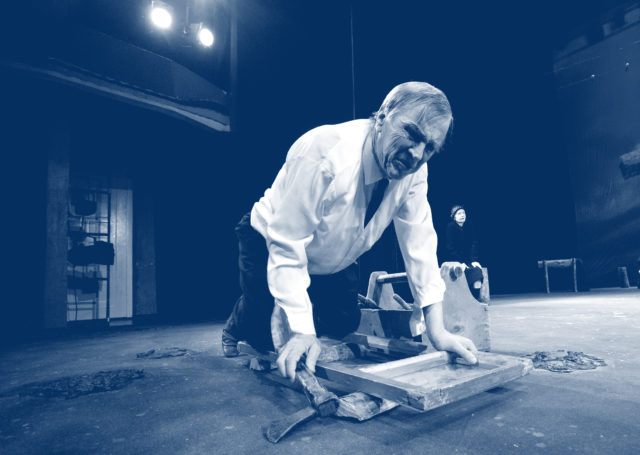
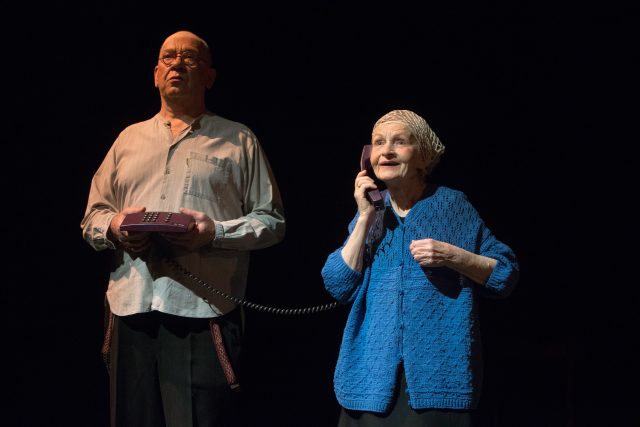
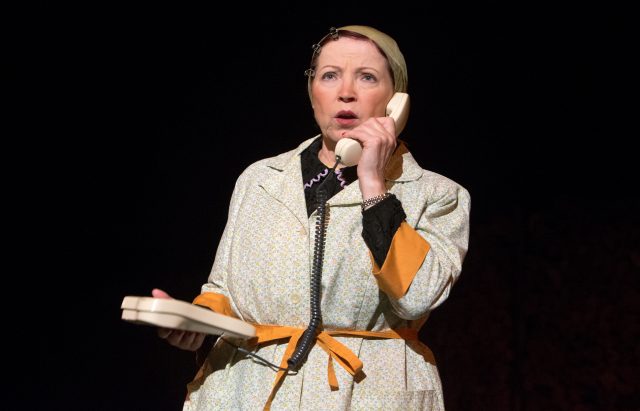
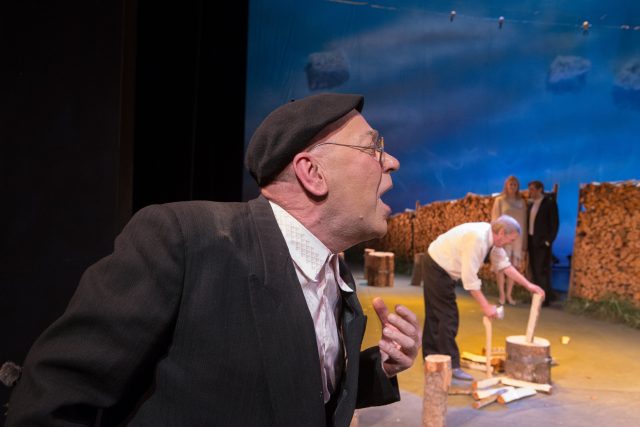
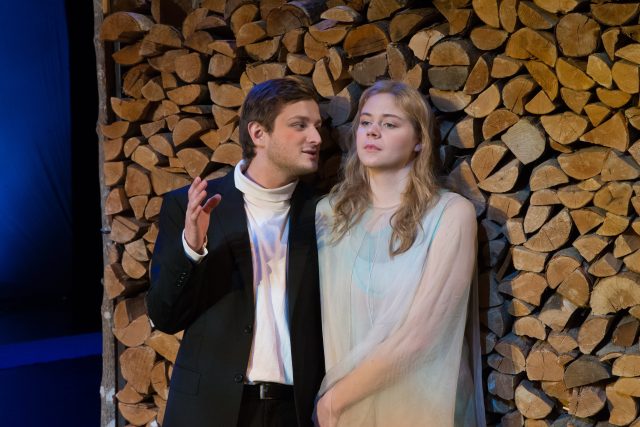
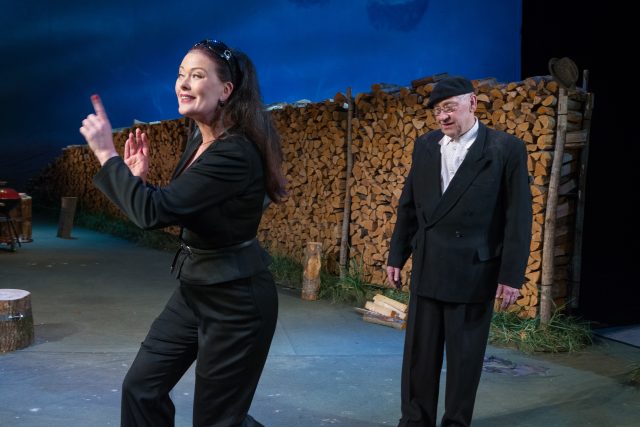
Andrus Kivirähk’s play is a story about one Estonian family and one homestead. Nowadays funerals are often the only place where all relatives meet. Mutual memories come to life and old flames light up.
Who will chop wood now, who will earth up the potatoes, who will pick the apples? What will happen if the old people are no longer able to work and the young people no longer want to work, but the work still needs to be done because for centuries Estonians have been working themselves to death in the countryside? What to think of funerals that tend to turn into weddings?