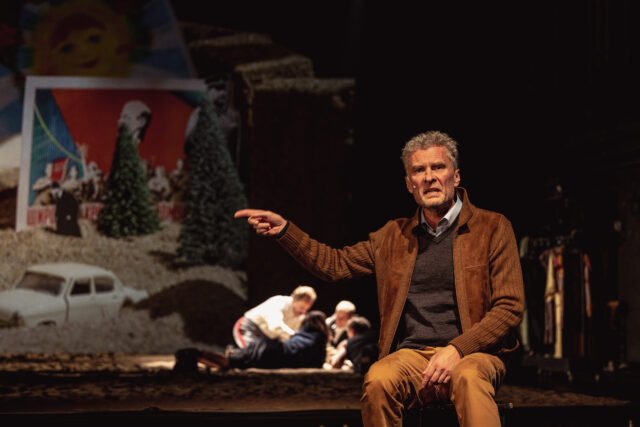
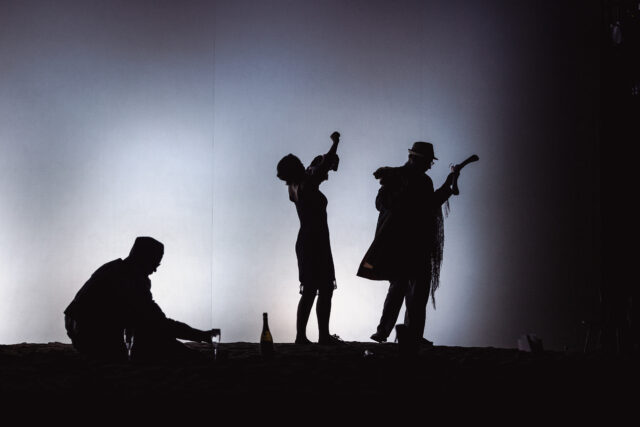
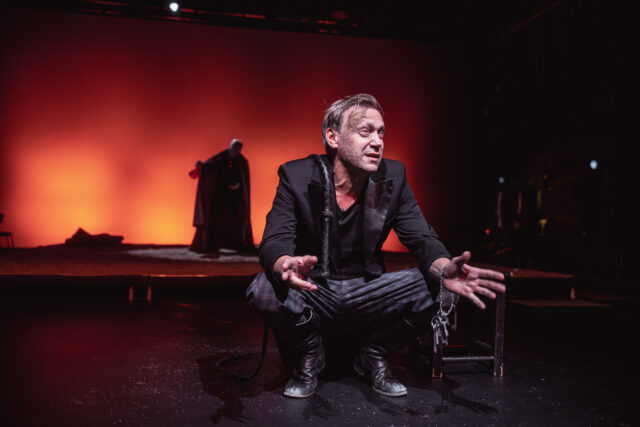
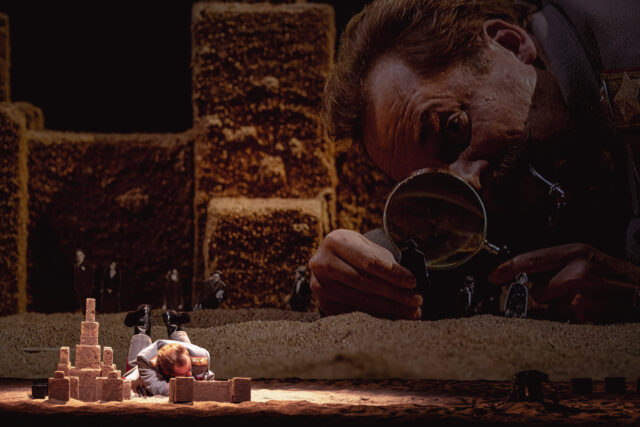
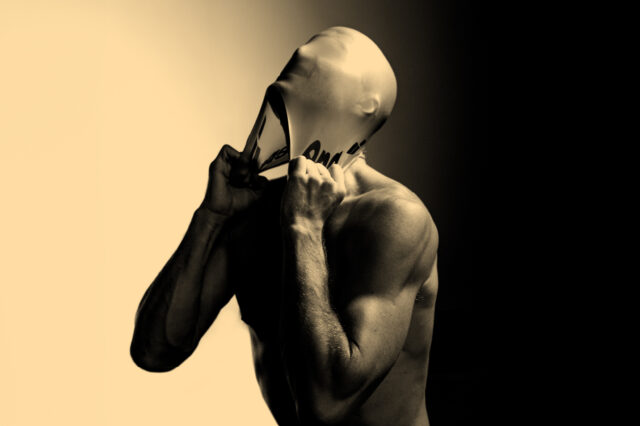
A free person can be turned into a slave if their memory is destroyed. A person who does not recognize their mother or know their people’s past can easily be made to fear a foreign master and be blindly loyal to them. This is precisely how the totalitarianism of the USSR humiliated and subjugated people, and how current Central Asian dictatorships do the same.
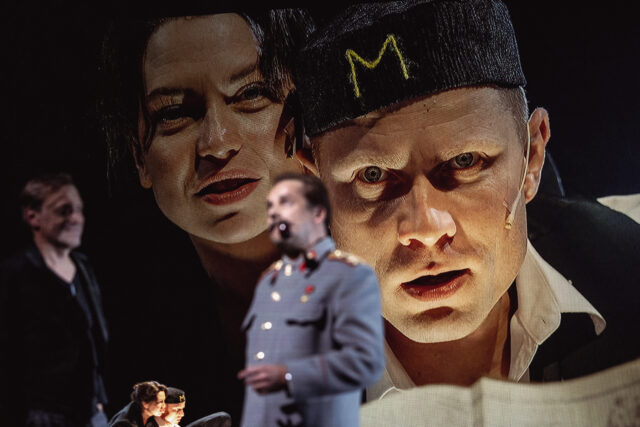
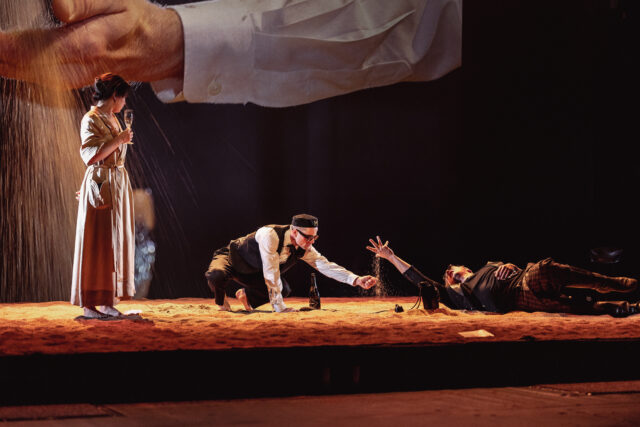
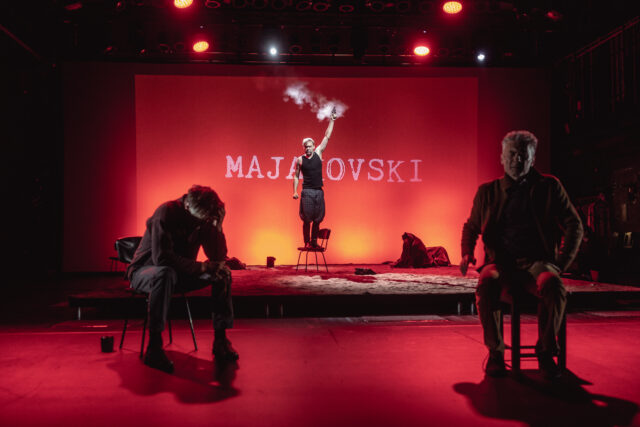
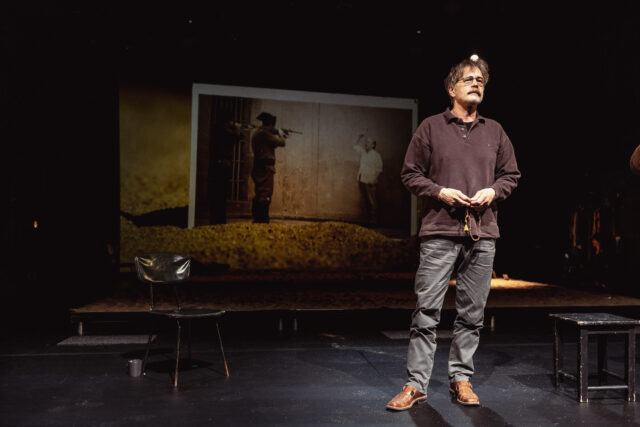
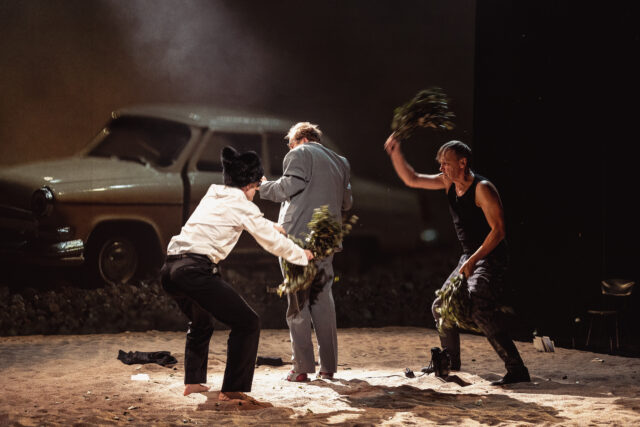
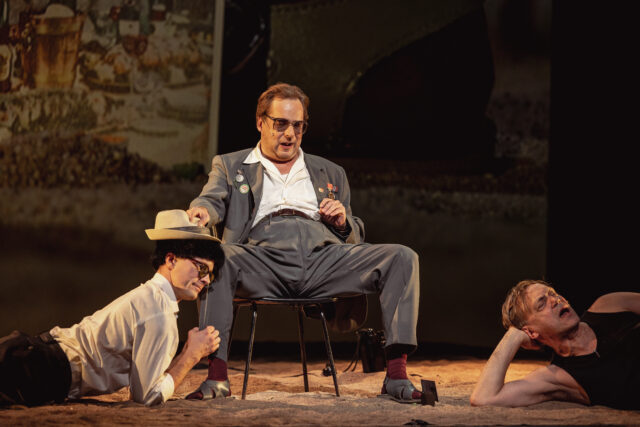
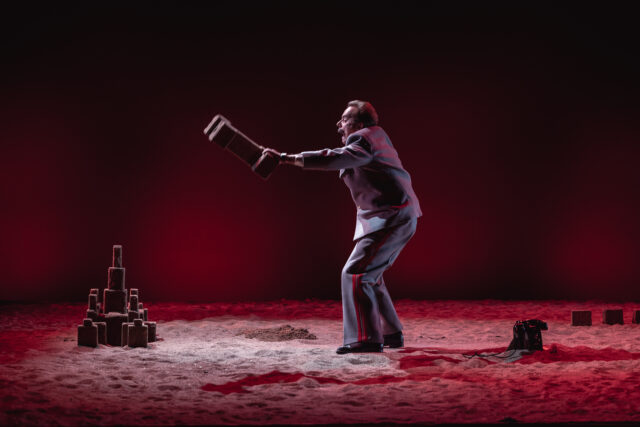
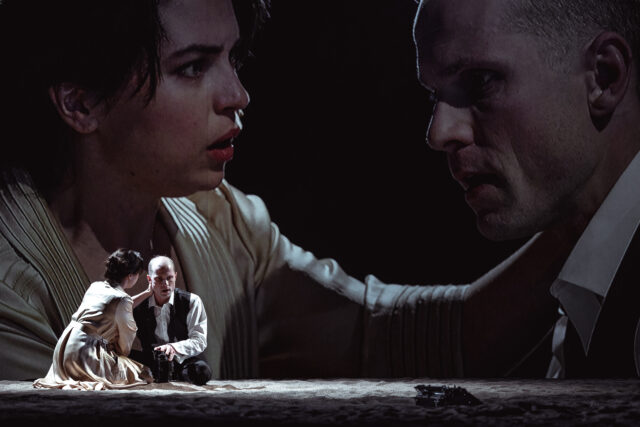
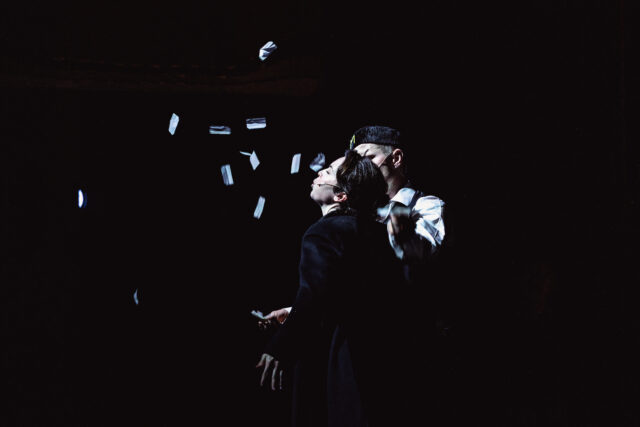
In a fictional legend by Kyrgyz writer Chingiz Aitmatov, there is a character called a mankurt, who has had his memory taken away through physical and mental violence. Marius Ivaškevičius’s new play is based on his conversation with a contemporary Tajik director, the Master, whose production Mankurt was banned in 2022 just before its premiere, and one actor was sent to prison for ten years. This awakens associations in the Lithuanian author’s memory from his childhood in the USSR, leading him to explore the era of Stalin and the cruelty and absurdity of new post-Soviet regimes. The Master tells of what both Soviet power and the current dictatorship have done to the language and culture of the Tajik people. Interwoven with the conversation between the Master and the Author is the fate of Mikhail Bulgakov, who wrote a play glorifying Stalin at the end of his life and thereby doomed himself, along with Woland and his entourage from Bulgakov’s novel The Master and Margarita, and the tragedy of many artists caught in the grip of power.
A collaboration of the Estonian Drama Theatre and Vaba Lava. The writing of the play was supported by Allan Kaldoja.